

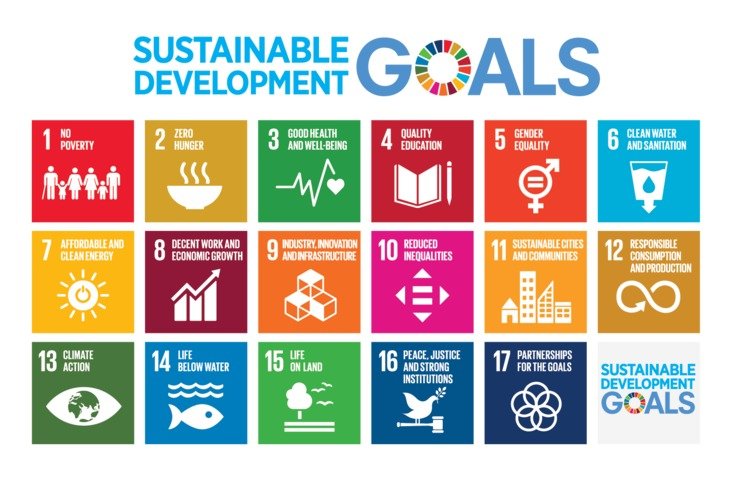
India Tourism Training 17 SDGs
(Sustainable Development Goals)
Travel Design Pvt Ltd, led by its Managing Director Dr. Niraalee Shah, is an ISO-certified organization committed to serving as a conscientious, creative, and credible catalyst for tourism training and capacity building in India. As a pioneering organization in the tourism training sector, Travel Design Pvt Ltd focuses on empowering tourism and hospitality professionals with knowledge, skills, and practical frameworks that promote sustainability, green growth, and responsible tourism practices aligned with the vision of a Green India – Swachh Bharat Mission.
Under the leadership of Dr. Shah—an accomplished tourism trainer, sustainability educator, corporate trainer, and hospitality expert—the organization has developed a specialized India Tourism SDG Training Program designed to educate and empower professionals across the tourism and hospitality sectors. This program focuses on the 17 Sustainable Development Goals (SDGs) adopted by the United Nations as part of the 2030 Agenda for Sustainable Development, providing industry stakeholders with a practical roadmap to align tourism operations with global sustainability priorities.The training program offers participants a comprehensive overview of the SDGs and their direct relevance to the tourism ecosystem. It emphasizes the importance of integrating sustainable tourism practices that contribute meaningfully to the achievement of these global goals. Participants gain insights into the interconnections between tourism activities and sustainable development, while also understanding the vital role the industry plays in fostering environmental stewardship, inclusive economic growth, and cultural preservation.
The curriculum covers key dimensions of sustainable tourism, including responsible tourism practices, environmental management, community engagement, cultural heritage preservation, and long-term economic sustainability. Through practical case studies and applied frameworks, participants learn how to embed sustainability into their business strategies, operational models, and organizational culture, while also developing methods to monitor, measure, and report their contributions toward the SDGs. The training is delivered through flexible formats including structured training modules, interactive workshops, and webinars. Programs can be customized to meet the specific needs of corporate organizations, tourism boards, tour operators, hospitality companies, and travel agencies.
Dr. Niraalee Shah, with a PhD in India Tourism & Culture, brings extensive industry experience, academic insight, and practical expertise to each training engagement. Her approach ensures that participants receive actionable guidance and strategic understanding that enables organizations to adopt responsible practices while contributing to a more sustainable and inclusive tourism ecosystem. Overall, the Tourism SDGs Training Program by Travel Design Pvt Ltd serves as a valuable platform for tourism and hospitality professionals seeking to integrate sustainability into their operations and actively contribute to building a more responsible and resilient future for the industry and society at large.
Tourism Sustainability Training
Training Module 1 - Sustainable Tourism
- What is Sustainability? Sustainability Education
- Why is Sustainable Tourism Important?
- Insights into Tourism 17 SDGs (Sustainable Development Goals)
- Introduction to Reduce, Reuse and Recycle Approach
- Promoting Environment Education and Awareness
- Introducing Tourists Sustainability Education
- Sustainability Travel Campaigns to reduce Carbon Emissions
- Introducing Green Managed Growth
- Introducing Sustainability Practices
- How can we promote Sustainable Tourism?
- Code of Ethics for Responsible Tourism
Module 2 - The Traveller Experience
- Indian Tourism Arrival Experiences
- Tourism Executives Grooming & Hygiene
- Tourism Business Etiquette
- Tourism Business Communication
- Tourism Power of Body Language
- Insights into Indian Geography, Tourism and Culture
- Indian Tourism Heritage Conservation
- Indian Tourism Indian Itinerary Preparation
- Indian Tourism Management
- Indian Tourism Transportation
- Indian Tourism Marketing
- Indian Travel Agency | Tour Operators Business
- Passenger Travellers Experience
- Delivering World Class Passenger Service
- Indian Tourism Departure Experience

| S. No | Goals | Recommended Practices in Tourism Industry |
|---|---|---|
| 1 | GOAL 1: No Poverty | Distribution of leftover food in hotels and giving local employment to the locals in tourist’s sites or hotels in the local area. |
| 2 | GOAL 2: Zero Hunger | Providing hotels (food or beverages) that are in excess to the local communities. |
| 3 | GOAL 3: Good Health and Well-being | Providing eco-friendly ways of adopting sustainable practices in the tourist sites and hotels. |
| 4 | GOAL 4: Quality Education | Providing skill development training programme in Tourism 4 SDG’S for tourist site employees, the tour operators, tour guides, tourism colleges and hotels and providing them employment in the different departments of tourism and hospitality. |
| 5 | GOAL 5: Gender Equality | Providing equal employment opportunities not only for men and women but also to the members of the LGBT community in the tourism and hospitality industry. |
| 6 | GOAL 6: Clean Water and Sanitation | Implement water purification processes such as zonation and provide an access to clean water to the guest and employees in the prominent locations. |
| 7 | GOAL 7: Affordable and Clean Energy | Install an eco-button to save energy in all areas, leading to conservation of energy and affordable energy for all. Use solar-powered lighting wherever possible in tourists’ sites and hotels. |
| 8 | GOAL 8: Decent Work and Economic Growth | Develop roles and responsibilities for every member of the tourism department by ensuring proper work-life balance, respect, safety, and security in the workplace. Motivate the team members to explore the opportunity of upselling the room amenities or minibar beyond cleaning and maintenance, thereby leading to revenue generation and economic growth. |
| 9 | GOAL 9: Industry, Innovation, and Infrastructure | Develop creative innovations for the tourism department, such as the usage of local jasmine flowers in the turndown service for a single lady traveler. This helps not only to create a wow experience for the guest but also supports local florists or farmers. Use eco-friendly materials for the construction. |
| 10 | GOAL 10: Reduced Inequality | Develop standard operating procedures, especially employee code of conduct, and ensure respect and dignity of each employee working in the tourism department is ensured across the entry-level to the managerial level position. |
| 11 | GOAL 11: Sustainable Cities and Communities | Conduct sustainable tourism programme to the local communities on the importance of cleaning, upkeep, and waste management to create Sustainable Cities and Communities. |
| 12 | GOAL 12: Responsible Consumption and Production | Use eco-friendly chemicals for cleaning and washing and use eco-friendly equipment in the housekeeping department in tourist sites and hotels. |
| 13 | GOAL 13: Climate Action | Take urgent action to combat climate change and its impacts. Achieving a net-zero emissions economy by 2050. Delivering 40% of the benefits from federal investments in climate and clean energy to disadvantaged communities. |
| 14 | GOAL 14: Life Below Water | Ensure that all the wastewater resulting from cleaning, AC, and sewage water is treated, recycled, and used for the appropriate purpose. |
| 15 | GOAL 15: Life on Land | Ensure proper waste segregation to ensure that plants, animals, and human beings are not affected due to soil, air, or water pollution. |
| 16 | GOAL 16: Peace Justice and Strong Institutions | Empower employees to follow a standard code of conduct in the workplace and provide a safe and secure atmosphere for guests staying from different parts of the world. |
| 17 | GOAL 17: Partnerships to Achieve the Goal | Collaborate with government and non-government agencies to conduct various awareness, skill development, and capacity-building programme related to tourism and hospitality. |